How Replacing Missing Teeth Can Help Protect the Teeth You Still Have in Thornton, CO
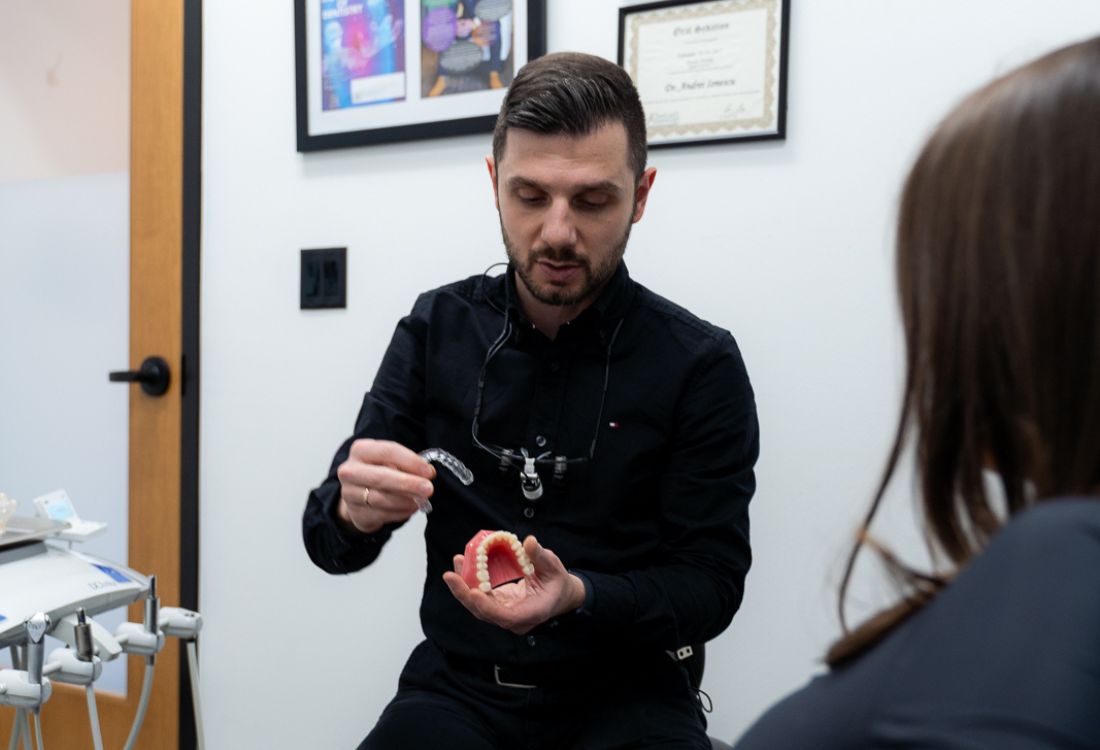
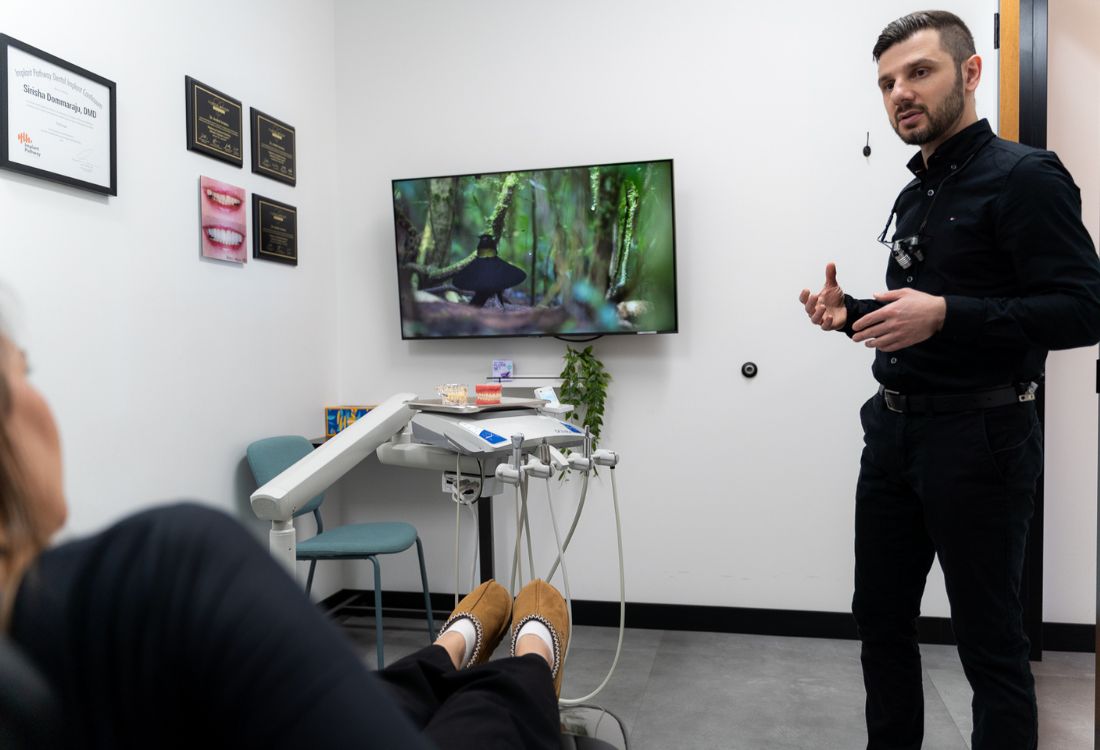
Losing a tooth can feel like a one‑time problem, something you’ll “deal with later” if it isn’t bothering you much. But missing teeth affect far more than your smile’s appearance. They change how your bite works, how your jawbone behaves, and how much stress your remaining teeth have to handle every day. At Timber Dental Care, the team led by the best dentist in Thornton, CO helps patients understand how replacing missing teeth doesn’t just fill a gap, it actually protects the teeth you still have.
What Happens When a Tooth Is Missing
Your teeth are designed to work together as a unit. When even one is lost, the system is thrown off balance. Over time, you can see:
- Shifting teeth: Neighboring teeth start leaning into the empty space, and the opposing tooth (the one that used to bite against the missing one) can over‑erupt, moving out of position.
- Bite changes: As teeth shift, your bite can become uneven, leading to extra wear, jaw discomfort, or difficulty chewing on certain sides.
- Extra stress on remaining teeth: Fewer teeth are left to handle the same chewing forces, so they may crack, chip, or wear down faster.
These changes often happen slowly, so you may not notice them right away. But years later, they can lead to more broken teeth, more dental work, and more complex problems.
How Missing Teeth Affect Your Jawbone
Teeth do more than help you chew, they also stimulate your jawbone. Each time you bite, the root of the tooth transmits forces to the bone, signaling it to stay strong.
When a tooth is missing:
- The bone in that area no longer receives the same stimulation.
- Over time, the bone can shrink or resorb, creating a sunken appearance in your jaw or face.
- The loss of bone support can affect neighboring teeth, making them more likely to loosen or fail.
Restoring that stimulation, especially with options like dental implants, can help stabilize the bone and protect nearby teeth from the consequences of bone loss.
Spreading the Workload Again
Think of your teeth like players on a team. When one player is missing, the others have to work harder. That extra workload shows up as:
- Cracks or fractures in teeth that are taking on more force
- Worn‑down chewing surfaces
- Increased sensitivity or soreness when you bite
Replacing missing teeth spreads chewing forces more evenly again, which can:
- Reduce the risk of future fractures
- Make eating more comfortable
- Help protect existing fillings, crowns, and other restorations from overuse
In other words, replacing one missing tooth can help you avoid losing more.
Replacement Option: Dental Implants
Dental implants are often considered the “gold standard” for replacing missing teeth because they restore both the visible tooth and the root.
An implant:
- Is placed in the jawbone, where it fuses and acts like an artificial root
- Supports a custom crown that looks and functions like a natural tooth
- Helps stimulate the bone and reduce further bone loss
By filling the space with a stable, root‑like structure, implants can:
- Keep neighboring teeth from drifting
- Maintain a more even bite
- Protect the long‑term stability of your remaining teeth
Patients who choose implants at Timber Dental Care appreciate that they not only get their smile back, but also add support for the rest of their mouth with guidance from the best dentist in Thornton, CO.
Replacement Option: Bridges
A dental bridge uses the teeth on either side of a gap to support one or more artificial teeth (pontics) in the middle.
A bridge can:
- Prevent neighboring teeth from tilting into the empty space
- Restore your ability to chew comfortably in that area
- Reduce the strain on other teeth by redistributing forces
Because bridges are fixed in place, they often feel more natural than a removable option. In many cases, a well‑designed bridge can protect the teeth you still have by stabilizing the bite and limiting unwanted movement.
Replacement Option: Partial Dentures
Removable partial dentures replace several missing teeth at once, often using a lightweight framework that clips around existing teeth.
Even though they’re removable, partials can still:
- Support your bite by giving you more chewing surface
- Help keep remaining teeth from drifting out of place
- Reduce wear and tear on the teeth that were previously doing all the work
For patients missing multiple teeth, partial dentures can be a budget‑friendly way to restore function and protect the rest of the mouth, especially when paired with regular checkups and adjustments.
Protecting Existing Restorations
If you already have fillings, crowns, or other dental work, missing teeth can shorten their lifespan. Extra force on these restorations increases the risk they’ll crack, loosen, or fail.
By replacing missing teeth, you:
- Prevent other teeth from “over‑working” and wearing out faster
- Help crowns and fillings last longer
- Reduce the likelihood of needing more root canals, crowns, or extractions in the future
Replacing a missing tooth now can be an investment in keeping the rest of your dental work, and your natural teeth, healthier for years to come.
Improving Everyday Comfort and Confidence
Protecting your teeth isn’t just about structure; it’s also about how you feel day‑to‑day. Missing teeth can lead to:
- Chewing on one side only, which stresses those teeth and your jaw
- Avoiding certain foods, which can affect nutrition
- Feeling self‑conscious about your smile, which can impact social and professional interactions
Replacing missing teeth restores balance, not just in your bite, but in your confidence. Many patients find that once their smile feels complete again, they’re more motivated to maintain excellent home care and regular dental visits, which further protects their remaining teeth.
Partnering with Timber Dental Care
Every mouth is different, and so is every tooth loss story. At Timber Dental Care, the process always starts with understanding your situation:
- How many teeth are missing and where
- The condition of your remaining teeth and gums
- Your goals, budget, and timeline
From there, the team will explain all appropriate options, implants, bridges, partials, and how each one can help protect the teeth you still have. With a thoughtful plan from a practice many consider the best dentist in Thornton, CO, replacing missing teeth becomes less about “fixing a gap” and more about preserving your entire smile.