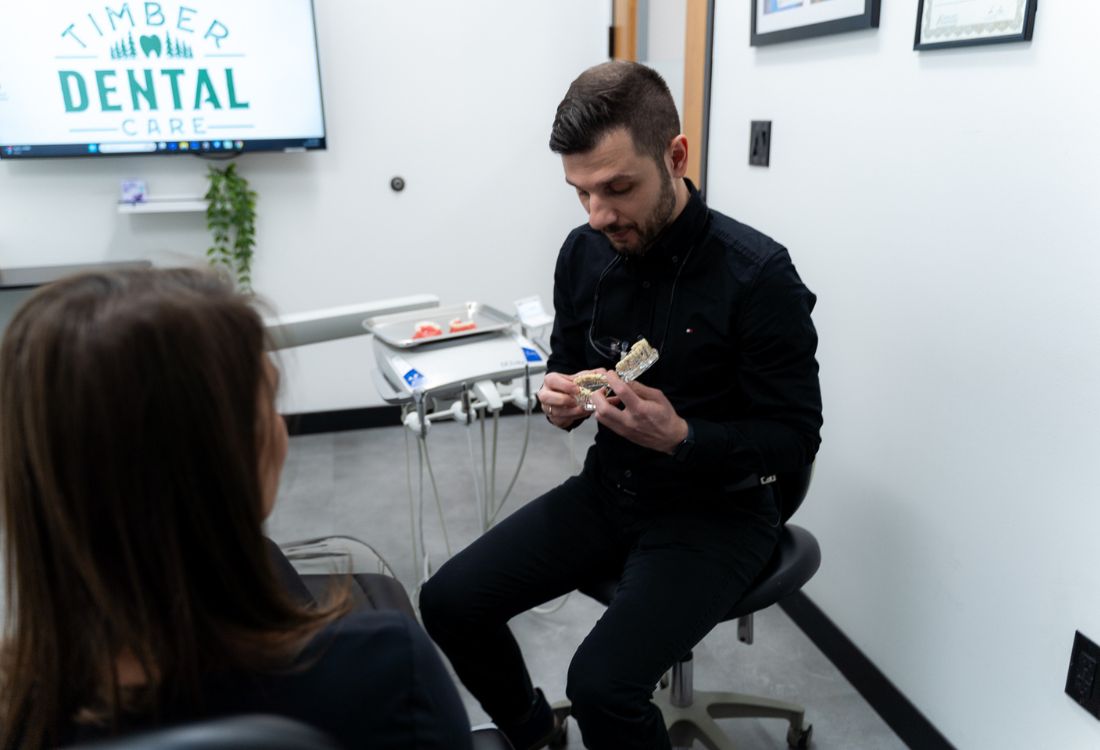
A dental emergency is any tooth or mouth problem needing urgent care for severe pain, bleeding, infection, or a lost tooth, and knowing this helps you act fast in Thornton.
What Is a Dental Emergency?
Dentists in Thornton define a dental emergency as a situation that requires urgent care to relieve intense pain, save a tooth, control bleeding, or treat a serious infection. If waiting “until next week” could cost you a tooth or let an infection spread, it’s an emergency, not a routine problem.
Severe or Persistent Tooth Pain
A sharp, throbbing, or constant toothache that doesn’t improve with over‑the‑counter pain medicine is a common dental emergency. Severe pain that makes it hard to eat, sleep, or function often means serious decay, nerve damage, or infection, so see a dentist right away.
Knocked‑Out or Suddenly Loose Teeth
If a permanent tooth is knocked out or suddenly loosened after an accident or sports injury, it’s an emergency. If you reach a dentist within about an hour, they may be able to save the tooth, especially if you store it in milk and only touch the crown, not the root.
Broken, Cracked, or Chipped Teeth
Not every small chip is urgent, but serious damage needs fast attention.
Treat it as an emergency if:
- A large piece of tooth breaks off.
- A cracked tooth that hurts when you bite needs prompt dental care.
- Sharp edges can cut your tongue or cheeks, and can expose the inner layers of the tooth.
Minor chips that don’t hurt can usually wait for a scheduled visit, but a dentist should still check them soon.
Swelling, Abscesses, and Signs of Infection
Swelling in the gums, jaw, or face, especially with pain, a gum bump, or fever, can signal an abscess or serious infection. These infections rarely clear up on their own and can spread beyond the mouth, so dentists classify them as emergencies that may even need ER care if they become severe.
Uncontrolled Bleeding in the Mouth
Bleeding that doesn’t stop after 10–15 minutes of firm pressure is an emergency. Cuts on the tongue, lips, or cheeks that keep reopening, bleed heavily, or cause noticeable swelling need prompt professional care.
Lost Fillings, Crowns, or Other Restorations
A lost filling, crown, or bridge exposes the tooth and can quickly lead to pain or further damage if it isn’t repaired. While this isn’t usually life‑threatening, Thornton practices list broken or lost restorations among common dental emergencies because fixing them promptly helps avoid more serious problems later.
Trauma to the Mouth or Jaw
Any blow to the mouth that causes broken teeth, severe pain, or a possible jaw fracture is an emergency. If you struggle to open or close your mouth or think facial bones are broken, seek emergency medical care and contact a dentist.
When It’s Urgent but Not an Emergency
Some issues can usually wait for a soon‑scheduled appointment rather than same‑day emergency care.
Examples include:
- Mild, short‑lived sensitivity to hot or cold.
- Small chips that don’t hurt and don’t affect chewing.
- A temporary crown that comes off without pain.
These problems shouldn’t be ignored, but they rarely require immediate treatment unless pain or swelling develops.
What to Do First in Thornton
If you’re unsure whether it’s an emergency, call a Thornton dentist right away for advice. If you have severe pain, bleeding, swelling, or trouble breathing and can’t reach a dentist, seek urgent care or go to the ER.
At Timber Dental Care, often regarded as the best dentist in Thornton, CO, you’d be encouraged to describe your symptoms over the phone so the team can help you decide whether you need same‑day emergency care, a prompt but non‑urgent visit, or medical attention first.